
Overconfidence in Venture Capital
Too little is bad, too much is dangerous, but a generous portion is powerful.

Hi all! If you’re already a subscriber feel free to dive right into this week’s edition. 👇🏾
If you’re new, a warm welcome and thank you for subscribing! This newsletter shares the best VC wisdom and knowledge curated from seasoned investors, researchers, and technologists.
You’re part of 250+ industry insiders who’ve joined along on a journey to mastery & impact.🚀

Venture capital is a hits-driven business. It operates with a power law – most investments fail while a few succeed massively. This means that most VCs lose money and that, on average, you’re better off investing in the stock market than the average fund.
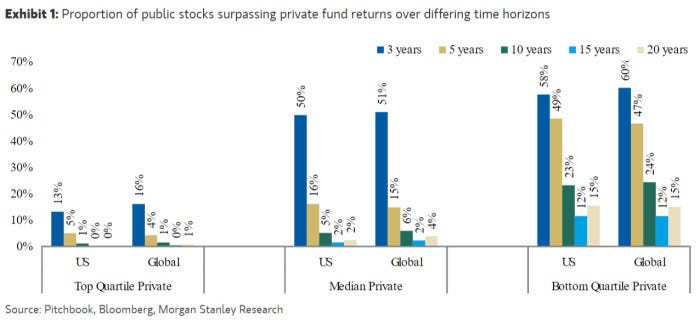
But people don’t choose a VC career because they believe they will generate average returns. The best investors are optimists, and much like founders, they are irrationally confident about their ability to excel despite the odds.
In some pursuits, overconfidence should be avoided completely. The “safest ship ever built” turned out to be a disaster in 1912 when an iceberg collision sank the Titanic. Overconfidence curtailed safety measures, such as having more lifeboats and a double-hull on both the bottom and side hulls, which could have saved lives.
However, there are cases where being bullish about yourself is an advantage. Areas dominated by power laws and innovation (such as art, sports, and technology investing) require high conviction to get started and even more to persevere long enough to do well.
If you’re too rational about the odds, self-doubt can hinder progress. No one believed a socially awkward music producer could become a Grammy award-winning rapper. Similarly, few thought a skinny kid from Ohio could turn into a basketball legend or that a young woman, mocked for her village roots, could ever turn into one of the greatest investors in China.1 However, all these individuals were strictly overconfident about their prospects. Their success demanded it.
I once asked a well-known and successful VC about the distinction between investors who stick it out for the long run until they have a great track record versus those who give up the craft prematurely. I also wondered, ‘What if I do this forever and never have a successful investment record?’ His response immediately cleared the fog of doubt. The basic message was this: You must believe you can excel; otherwise why bother with the pursuit?
It turns out that overconfidence in VC matters. Having too little dooms you to timidness – you’ll never take enough investment risk to back outliers. Having too much, on the other hand, is reckless – you can fool yourself into making investments no rational investor would ever make. (See the FTX saga for an excellent example of this.) However, a generous amount of irrational self-belief is an asset.
An upcoming research paper by Salma Amor and Maher Kool looks at how overconfidence affects performance in venture capital. Their analysis of IPO and M&A data across two decades found that overconfident VCs were more likely to have IPO exits and were quicker to raise new funds. (On the founder’s side, this paper finds that overconfident CEOs have higher rates of innovation. They’re more willing to take risks with uncertain but significant payoffs.)
Being irrationally confident means seeing more of the upside and actively pursuing it. In contrast, pessimists focus too much on pitfalls rather than on what’s possible. More tellingly, without emanating confidence, it’s difficult to get other people to believe in you, too. That makes it doubly harder to partner with talent, founders, and investors in your fund. So in the venture world, you have to believe you can become a great investor and show it. Otherwise, self-doubt becomes a self-fulfilling prophecy.
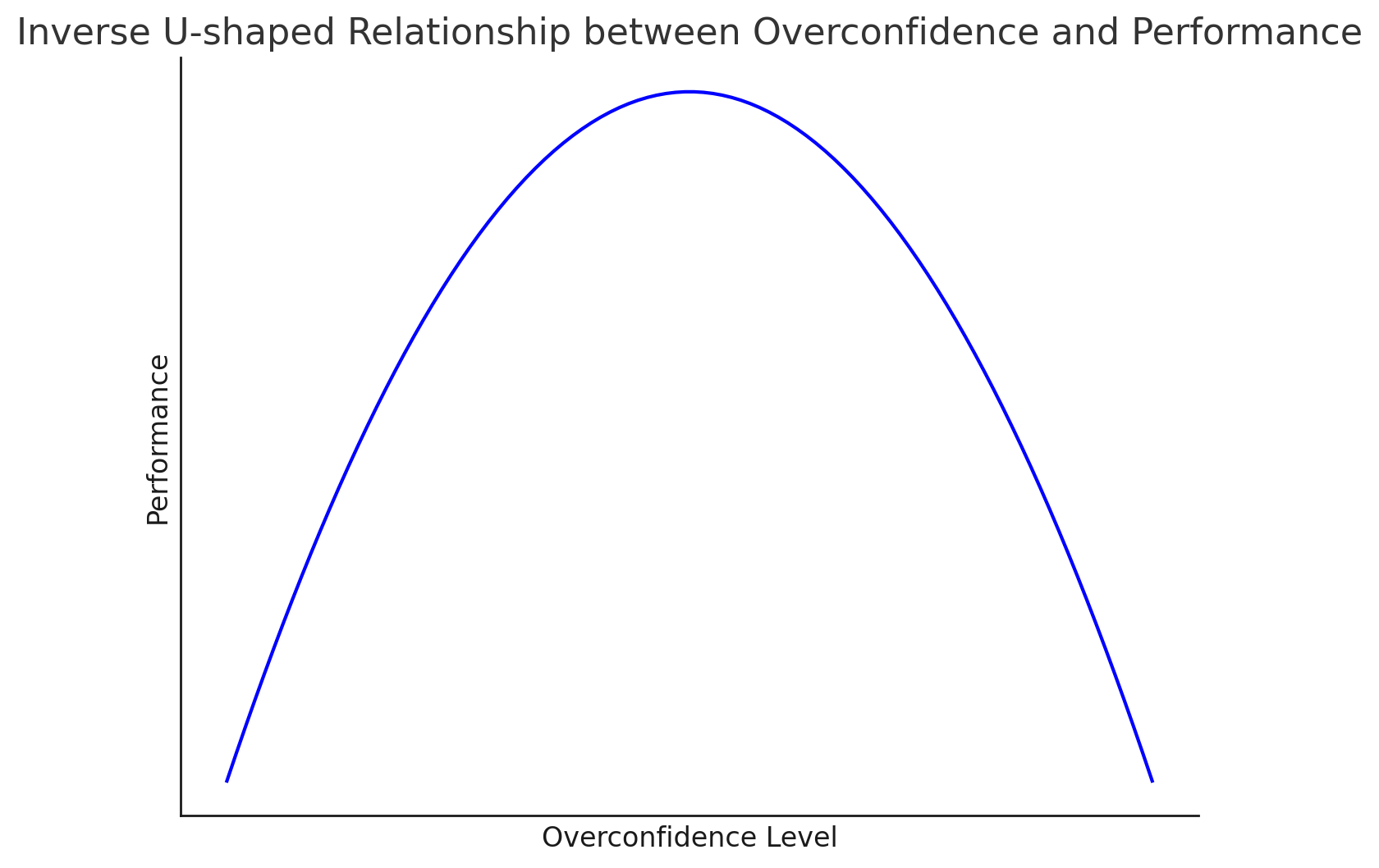
Overconfidence is clearly a double-edged sword. Arrogance and hubris leave no room for learning and improvement. This is further illustrated by Amor and Kool’s research, which found a nonlinear inverse U-shaped relationship between overconfidence and performance. Yet, having too little of it is bad, too much will often be dangerous, but a generous portion is advantageous.
🥡 Practical Takeaway: You’ll need as much conviction as you can muster to sustain a long investing career. Part of it comes from inspiration (look to others who’ve done it before), but the most reliable kind of confidence comes from working hard to get good at what you do.
The investor here is Kathy Xu. Her teacher at Nanjing University was Donda West, the mother to Kanye West. Donda is known for inspiring Kanye’s self-belief. But she also did it as a teacher with her students. In the first class she taught Kathy, Donda proclaimed to all the students: “You are unique, you are a marvel. There has been no person like you in the last 500 years and there will be no person like you in the next 500 years.”